Adam Silver’s 2026 NBA preseason reforms and CBA minutes restrictions
Adam Silver announced that tanking incentives will change completely for the 2026 season, with flattened lottery odds for non-playoff teams. The new CBA requires 65 games for MVP eligibility, challenging load management practices that previously allowed teams to rest stars.
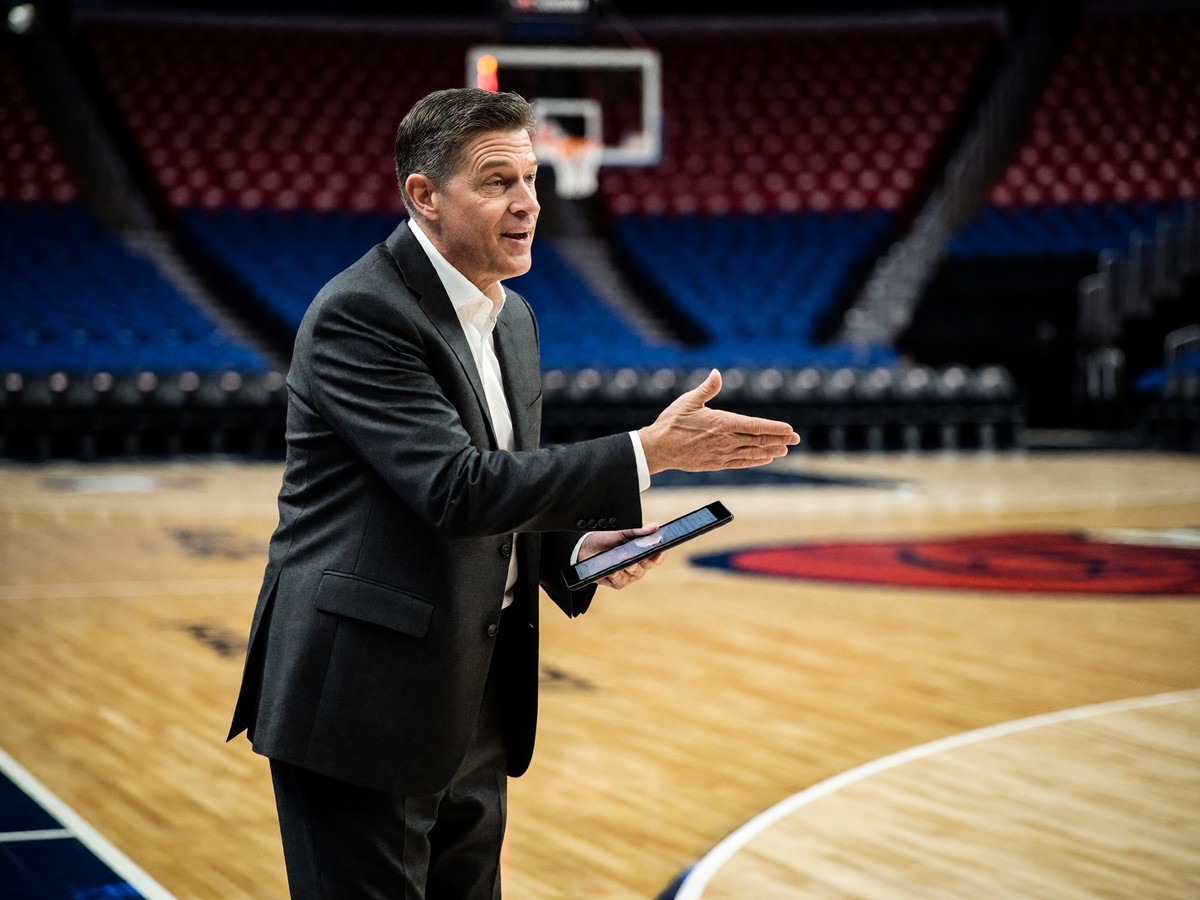
Adam Silver declared at the Board of Governors meeting that incentives for tanking will be "completely different" next season. He promised a special board meeting in May to lock in rules before the June draft, ensuring teams know exactly what is coming. This follows months of work by Byron Spruell, Evan Wasch, and James Jones in the league office. Multiple lottery proposals were vetted, with a strong consensus forming around flattened odds for all non-playoff teams. The goal is to eliminate the ambiguity between a genuine rebuild and overt tanking, which Silver noted has become almost impossible to distinguish.
Restructuring the draft lottery
The current system fails because it rewards losing with better draft positions, creating a perverse incentive for coaches to sit stars. Silver emphasized that incremental changes over the last four years did not fix the core issue of mismatched incentives. The new protocol aims to give every non-playoff team the same chance at the No. 1 pick, removing the mathematical advantage of going winless. Another scenario under discussion makes play-in teams eligible for the top selection, which would force franchises to compete seriously through April. I find this approach far more effective than previous odds-flattening attempts that left loopholes open.
However, the implementation faces resistance from ownership groups who fear business implications. Silver stated that the decision requires a unanimous vote, acknowledging the complexity of balancing basketball integrity with financial stability. The league has already fined the Utah Jazz $500,000 for sitting Lauri Markkanen and Jaren Jackson Jr. in two fourth quarters, proving that fines alone do not stop the behavior. With roughly 20 teams playing exciting basketball and the rest struggling to justify their losses, the pressure on the board is immense. Will the owners agree to a system that strips them of their traditional leverage?
Load management and CBA constraints
The collective bargaining agreement ratified in April 2023 runs through the 2029-30 season, setting the framework for player compensation and eligibility. A minimum of 65 games played is now required for players to qualify for MVP or All-NBA honors, directly targeting chronic load management. Joe Dumars, executive vice president of basketball operations, confirmed that scientific data no longer supports resting players to prevent injury, noting that sitting out does not correlate with reduced fatigue. Instead, the data shows a drop in efficiency on the second night of back-to-backs, which varies significantly by team.
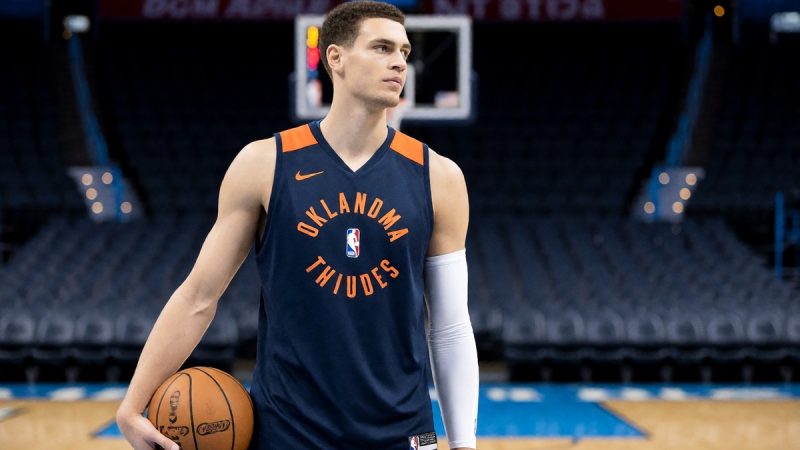
Teams like the San Antonio Spurs and Detroit Pistons thrived on zero rest in the 2025-26 season, while the Oklahoma City Thunder underperformed drastically. The Spurs went 12-2 with a NET rating of 6.2, whereas the Thunder managed only 7-7 with a NET rating of 0.3 compared to their season average of 11.5. This disparity proves that depth and halfcourt defense matter more than raw rest. The league’s strict participation policies, including fines for resting multiple stars in one game, are designed to force consistent availability. Fans buy tickets expecting specific players, and the product must reflect that expectation. If a team cannot field its best lineup consistently, the financial model breaks down. The new CBA terms ensure that salary caps grow by at least 3% annually, but the behavioral shift in how coaches manage minutes is the real test.