The 1970 AFL-NFL Merger Standings Format
The 1970 season introduced the first fully integrated NFL campaign with 26 teams split into two conferences. The Baltimore Colts won the Super Bowl 16-13 against the Dallas Cowboys, establishing a new blueprint for league parity and playoff tiebreakers.
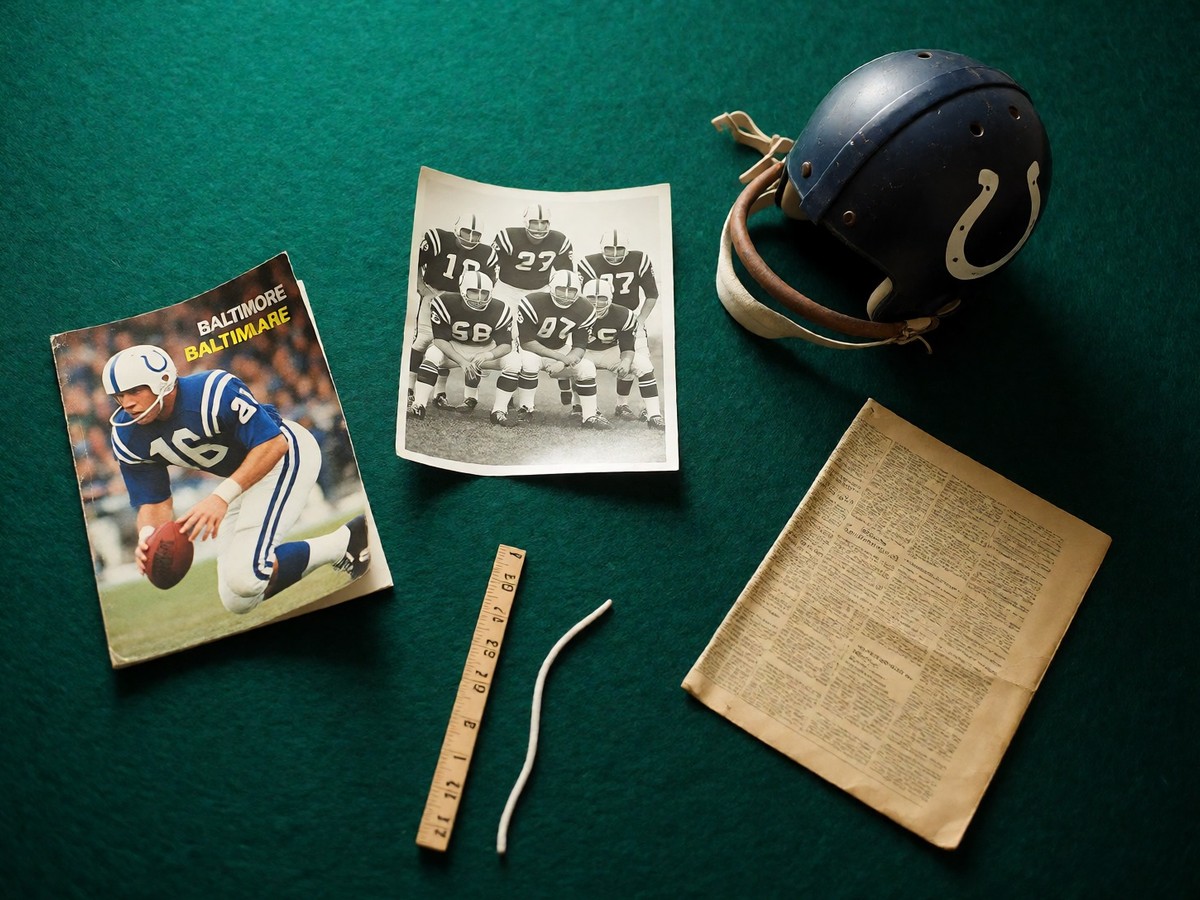
The 1970 season marked the first fully integrated NFL campaign, with 26 teams playing under one banner. The newly formed American Football Conference consisted mostly of former AFL teams, while the National Football Conference housed traditional NFL powers. This structure replaced the previous separate league schedules that had existed since the merger agreement was announced on June 8, 1966. The deal required U.S. Congress to grant antitrust exemptions in exchange for creating the New Orleans Saints and Cincinnati Bengals franchises. Until this unified start, the leagues maintained separate regular season schedules but played an annual championship game beginning in January 1967.
Conference Structure and Initial Results
The merged league adopted a format featuring two conferences, each with three divisions. The AFC Eastern Division included the Baltimore Colts, Boston Patriots, Buffalo Bills, Miami Dolphins, and New York Jets. The AFC Central featured the Cleveland Browns, Cincinnati Bengals, Houston Oilers, and Pittsburgh Steelers. Meanwhile, the AFC Western Division comprised the Denver Broncos, Kansas City Chiefs, Oakland Raiders, and San Diego Chargers. In the NFC, the Eastern Division held the Dallas Cowboys, New York Giants, Philadelphia Eagles, St. Louis Cardinals, and Washington Redskins. The NFC Central contained the Chicago Bears, Detroit Lions, Green Bay Packers, and Minnesota Vikings. Finally, the NFC Western Division included the Atlanta Falcons, Los Angeles Rams, New Orleans Saints, and San Francisco 49ers.
Week 1 standings revealed immediate competitive balance issues across the new divisions. The Baltimore Colts and Boston Patriots both started 1-0 in the AFC East, with the Colts outscoring their opponents 16-14. In the AFC Central, the Houston Oilers dominated the Pittsburgh Steelers 19-7, securing a 1-0 record. The NFC saw the Dallas Cowboys defeat the New York Giants 17-7, while the Detroit Lions blanked the Green Bay Packers 40-0. These early results highlighted the disparate offensive capabilities between the former AFL and NFL teams. For instance, the San Francisco 49ers defeated the New Orleans Saints 26-17, showcasing the strength of the traditional NFC West clubs. The format allowed fans to see direct comparisons between historic rivals like the Jets and Giants, who shared a media market but now played in different conferences.
Playoff Implications and Tiebreakers
The 1970 playoffs introduced specific tiebreaker rules devised by Dan Rooney and Tex Schramm in 1967. Head-to-head competition served as the primary method to break ties, followed by division record and conference record. This system determined which teams advanced from the six divisions plus one wild card spot per conference. The Baltimore Colts finished the regular season with an 11-2-1 record, the best in the AFC. They defeated the Cincinnati Bengals 17-0 in the divisional round before beating the Oakland Raiders 27-17 in the AFC Championship Game. In the NFC, the Minnesota Vikings posted a 12-2 record, while the Dallas Cowboys earned a wild card berth with a 10-4 mark. The Cowboys defeated the Detroit Lions 5-0 in the divisional round, then beat the San Francisco 49ers 17-10 in the NFC Championship.
The Super Bowl matchup pitted the balanced offense of the Colts against the defensive prowess of the Cowboys. The final score was 16-13 in favor of the Baltimore Colts, ending the season with a decisive victory for the AFC. This result underscored the effectiveness of the new single-league format in producing a clear champion without the need for interleague preliminary rounds. The integration of records meant that all 26 teams competed for the same title, eliminating the previous ambiguity of which league was superior. The 1970 standings format thus established the blueprint for modern NFL parity, ensuring that every team’s performance contributed directly to the ultimate prize.