New York and Carolina goalie management under pressure
The New York Rangers face a significant goaltending gap following Igor Shesterkin's season-ending knee injury. Meanwhile, the Carolina Hurricanes navigate a volatile rotation between Frederik Andersen and Pyotr Kochetkov due to an expanded 84-game schedule and increased divisional density.
Shesterkin’s absence and the Rangers’ depth
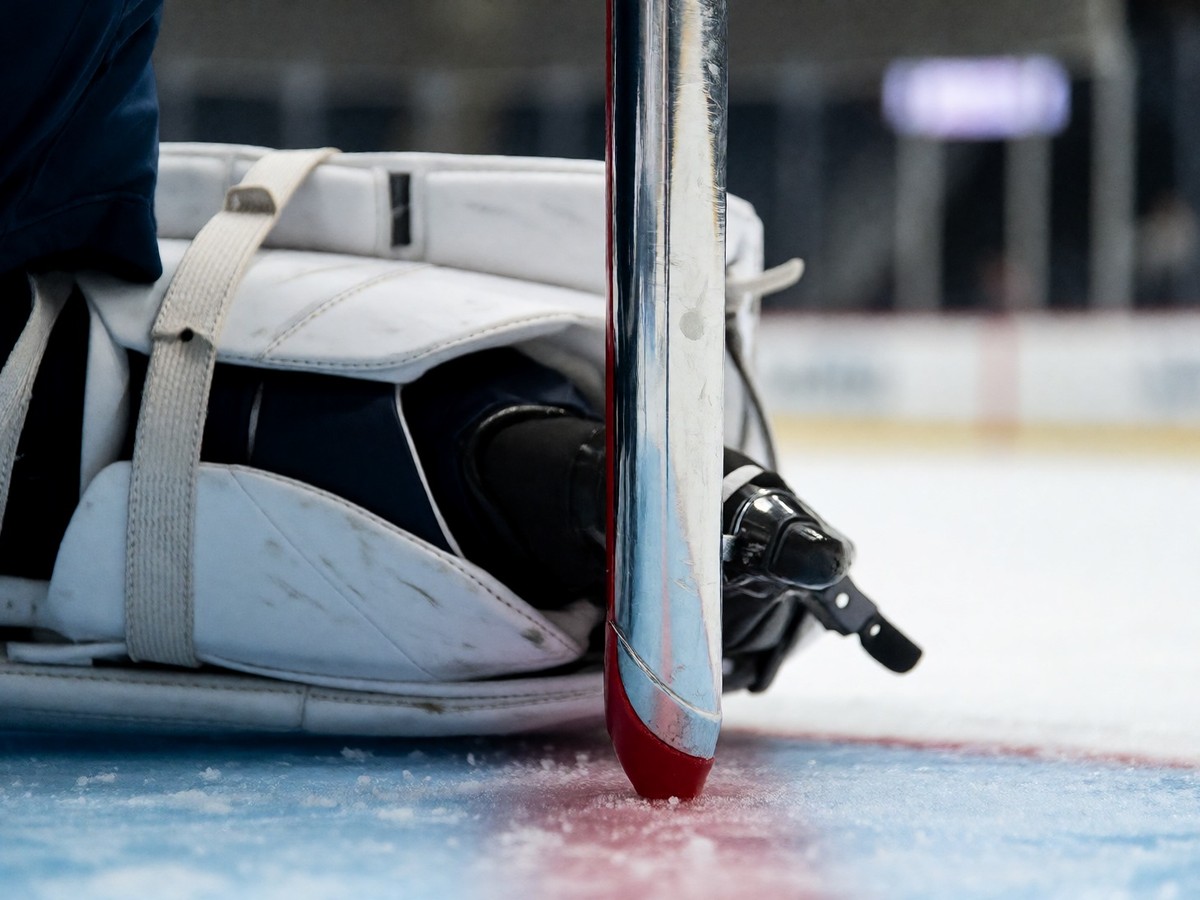
The New York Rangers face a massive goaltending gap after Igor Shesterkin suffered a season-ending knee injury on October 10 against Washington. The 30-year-old netminder recorded a 1.79 goals-against average and a .927 save percentage through five starts before his leg folded against the post during the second period of the game against Washington. Shesterkin stopped 13 of 14 shots before leaving the ice. He also recently became the first Rangers goalie to score when he fired into an empty net against Tampa Bay on October 1. This injury coincides with a lower-body injury to Joonas Korpisalo, who expects to miss four weeks. Korpisalo, whom the Rangers acquired from Boston, cannot help the rotation. Dylan Garand has filled the void with a 3-1-1 record, a 1.31 goals-against average, and a .954 save percentage across five appearances. Garand, the 24-year-old who cleared waivers and went to Hartford before his October 1 recall, stopped 11 of 12 shots against Washington. He previously made 22 saves in a 2-0 shutout at Detroit on October 2. The Rangers must manage the loss of the 2022 Vezina Trophy winner, who carries an $11.5 million annual average value on an eight-year, $92 million contract, while navigating an expanded 84-game schedule.
Carolina’s crease rotation
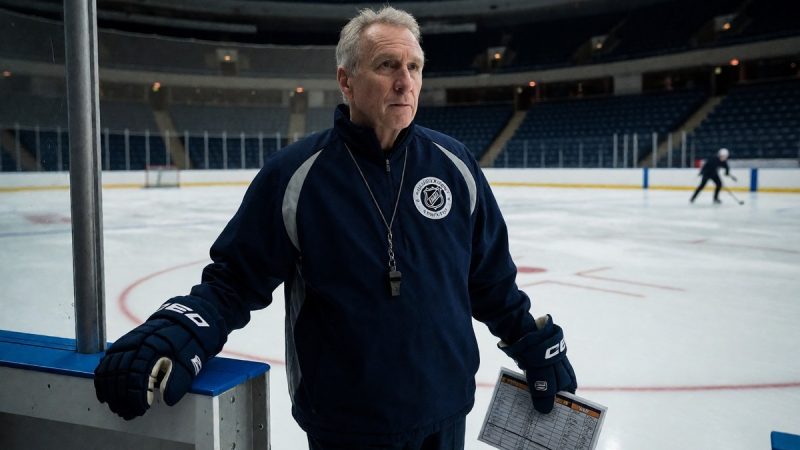
Carolina utilizes a hot-hand approach to manage its netminders. Frederik Andersen gave up nine goals on 36 shots during the first two games against Florida. Head coach Rod Brind’Amour switched to Pyotr Kochetkov for Game 3 to change the team vibe. Kochetkov, age 23, made 22 saves on 28 shots but allowed five goals in the third period. Kochetkov, a 2019 second-round pick, previously went 2-0-0 in two starts against Florida during the regular season. In his recent playoff action, he stopped 4 of 5 shots in the third period of Game 2 and has made 10 total playoff appearances. The Hurricanes rely on this rotation as they face an extra two games against Metropolitan Division opponents due to the expanded schedule. The roster includes 34-year-old Antti Raanta, Kochetkov, Spencer Martin, and Brandon Bussi. Raanta posted a .917 career save percentage in 22 playoff games. Raanta, 34, possesses more playoff experience than Kochetkov or Spencer Martin. Kochetkov holds a combined 50-29-7 record with a 2.48 goals-against average over his last two seasons. Andersen battles a rare blood disorder that sidelined him in November. Bussi, who recorded 31 wins in the regular season after arriving as a waiver claim, provides additional depth. Can the Hurricanes maintain stability with such a volatile rotation?
New NHL mandates
The NHL expanded the regular season to 84 games, which increases divisional density. Each team faces divisional rivals two extra times. The league mandates that every team maintain a dedicated Emergency Backup Goalie (EBUG) that travels and practices with the roster. This rule aims to alleviate pressure on regular netminders. The density of the October schedule forces teams to manage player rest more strictly. The Rangers must decide if they want to pursue a trade for a veteran or trust Dylan Garand. The Hurricanes face similar decisions regarding their tandem split. Commissioner Gary Bettman defended the video review system at the 2026 General Managers meetings in Florida, even as teams like Carolina and Anaheim expressed concerns regarding goalie interference standards. The expanded season began on September 29 with matchups including the Panthers versus the Hurricanes and the Rangers versus the Bruins. Opening night also featured the Canadiens versus the Maple Leafs and the Canucks versus the Oilers in North America. Will the increased volume of games force more teams to abandon the traditional workhorse goalie model?