The evolution of UFC Las Vegas from McGregor to the Sphere
Conor McGregor launched a new era at UFC 189 in 2015 with a $7.2 million gate at the MGM Grand. Modern UFC events at the Sphere have shifted toward massive technological investments, with production costs reaching $20 million for a single night.
The 2015 Las Vegas Night
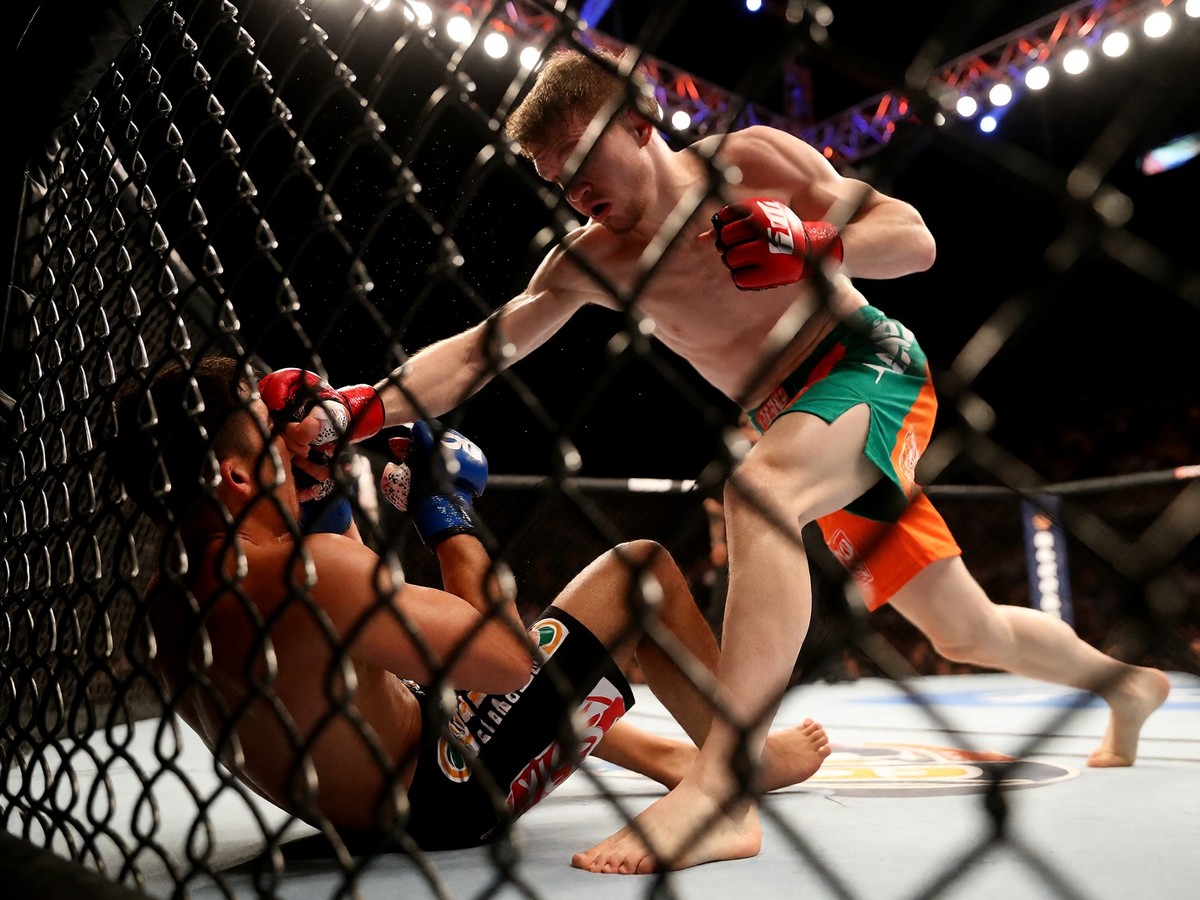
UFC 189 drew 16,019 fans to the MGM Grand Garden Arena on July 11, 2015. Conor McGregor secured the interim featherweight title by stopping Chad Mendes with a technical knockout at 4:57 of the second round. Mendes, a two-time title challenger from Team Alpha Male, had only a three-week training camp to prepare for the Irishman. McGregor, age 26, entered the fight with a 17-2 record and earned $500,000 for the win plus an estimated $3 million to $4 million in pay-per-view points. Robbie Lawler, who captured the belt last fall against Johny Hendricks, also retained his welterweight title, defeating Rory MacDonald via TKO in the fifth round after a fight that left both men bloodied. MacDonald had won three straight fights before this encounter. Thomas Almeida, representing Chute Boxe Academy, finished Brad Pickett with a flying knee in the second round. Jeremy Stephens defeated Dennis Bermudez with a third-round TKO after landing a perfectly timed knee, earning a $40,000 win bonus despite losing $8,000 for missing weight. Gunnar Nelson also secured a win, submitting Brandon Thatch with a rear-naked choke in the first round. Matt Brown defeated Tim Means via guillotine choke. Cody Garbrandt beat Henry Briones by unanimous decision. Louis Smolka also took a decision over Neil Seery, and Cody Pfister won against Yosdenis Cedeno by decision.
The Sphere Budget Blowout
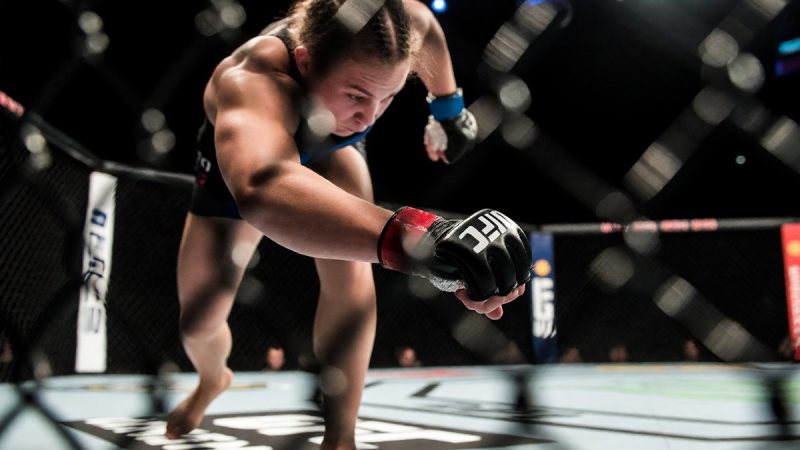
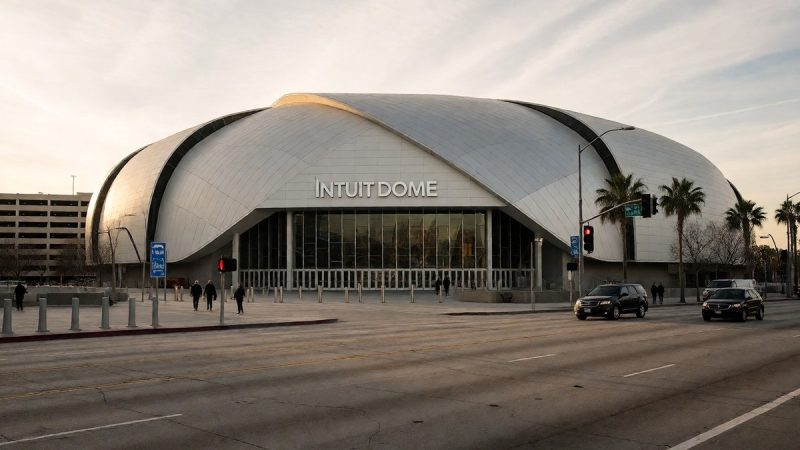
Riyadh Season Noche UFC at the Sphere included Sean O’Malley against Merab Dvalishvili and used the massive LED screen to show films about Mexican history. The production team worked with Silent House Productions to design "worlds" that provided backdrops for each fight. Dana White initially budgeted $8 million for the production, but the final cost climbed to $20 million. The Sphere event earned a $21,829,245 gate with 16,024 fans in attendance. Although McGregor drew huge crowds to the MGM Grand Garden Arena in 2015, the UFC eventually moved toward the Sphere to test how much digital spectacle they could force into a single night of intense, high-stakes professional MMA fighting in Las Vegas. The event celebrated Mexican Independence Day and featured a film produced by Antigravity Academy. This film, directed by Carlos Lopez Estrada, included six 90-second chapters focusing on different periods in Mexican history. The main card included a flyweight championship match between Alexa Grasso and Valentina Shevchenko, while Diego Lopes defeated Brian Ortega via unanimous decision. I find the budget expansion for a single event to be an aggressive gamble that ignores the traditional math of combat sports production.
Comparing the Scale
| Metric | UFC 189 (2015) | UFC 306 (2024) |
|---|---|---|
| Venue | MGM Grand | Sphere |
| Live Gate | $7.2 million | $21.8 million |
| Attendance | 16,019 | 16,024 |
The financial delta between the two events reveals a massive shift in how the promotion spends money on production. While the 2015 night relied on the star power of McGregor to drive 825,000 buys, the Sphere event relied on a $20 million technological investment to create environments on a curved LED display. You probably remember the McGregor hype, but the scale of the Sphere production changed the economic equation entirely. The 2024 event drew a gate that exceeds the 2015 gate by over $14 million. McGregor’s win allowed him to stock up on alligator-skin dress shoes. This event was the first live sporting event at the Sphere. The UFC 189 gate set a new United States record for MMA at the time. Will the high cost of these technological experiments ever result in a sustainable model for every major Las Vegas card?