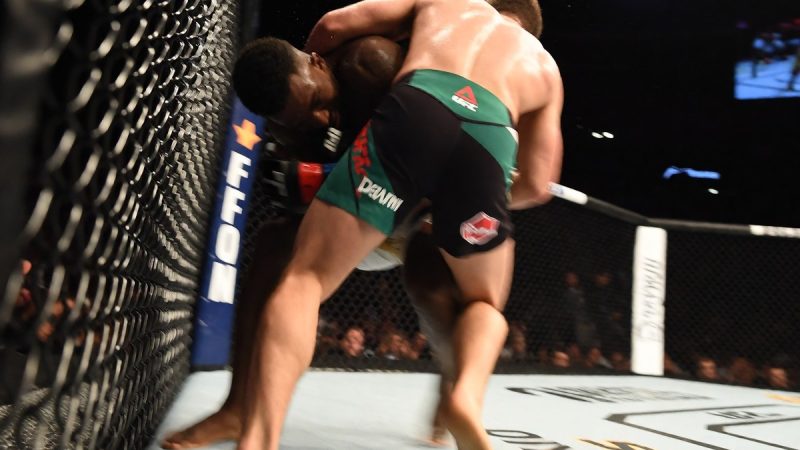
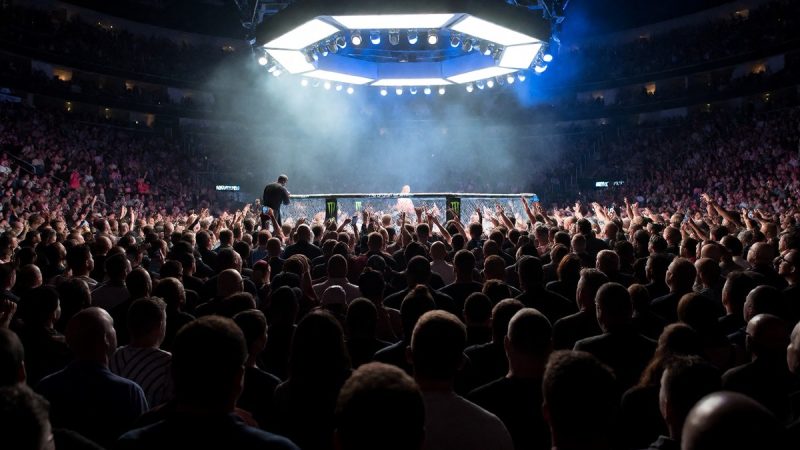
UFC 309 Madison Square Garden gate projections and financial data
MSG Entertainment reported $1,060.8 million in fiscal 2026 revenues, while UFC generated $519.2 million in Q3. The analysis compares arena financials with promotion revenue, highlighting a $1.1 billion annual Paramount deal and rising operating costs.
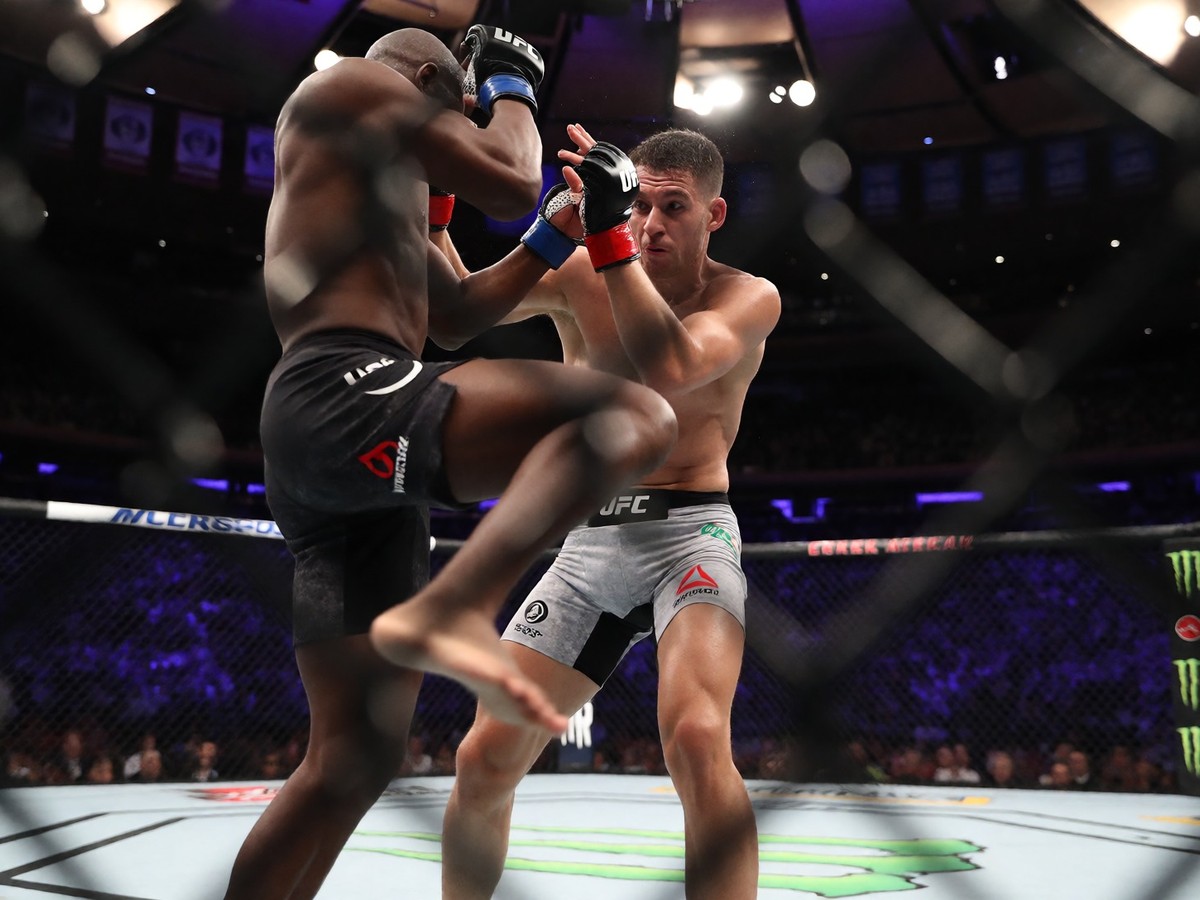
Madison Square Garden Entertainment Corp. reported fiscal 2026 revenues of $1,060.8 million, a 13% increase over the prior year. The company welcomed approximately 6.4 million guests across nearly 960 events during that period. This figure includes concerts, special events, family shows, and marquee sports like the New York Knicks’ championship run. The Christmas Spectacular alone sold over 1.2 million tickets across 215 paid performances in its 92nd holiday season. These aggregate metrics confirm sustained demand for live entertainment at MSG venues, yet they do not isolate specific UFC card performance.
Arena financials versus promotion revenue
MSG Entertainment’s fourth quarter revenues hit $196.3 million, up 27% from the same period last year. Concert revenues increased by $22.7 million due to higher per-concert income and more shows at The Garden. Food, beverage, and merchandise sales rose 22% to $32.2 million, driven largely by concert attendance. However, direct operating expenses for entertainment offerings climbed 17% to $100.2 million. Selling, general, and administrative expenses also jumped 12% to $67.2 million. Consequently, the company posted an operating loss of $8.6 million for the quarter, despite adjusted operating income reaching $18.6 million. You already know that arena costs are fixed regardless of ticket price, so this expense growth matters more than the top-line revenue bump.
The UFC operates under a separate financial structure within TKO Group Holdings. In the third quarter, UFC generated $519.2 million in revenue, a 60% surge from the previous year. Media rights, production, and content brought in $332.8 million, while live events and hospitality contributed $79.6 million. Partnerships and marketing added $91.3 million, and consumer products accounted for $15.5 million. Direct operating expenses reached $172.2 million, compared with $104 million in the comparable 2025 period. This spike stems from athlete compensation, production costs, and the higher cost profile of specific events like UFC 329. The quarterly adjusted EBITDA margin improved from 51% to 55%, indicating better efficiency despite the higher spend.
| Metric | MSG Entertainment (Q4) | UFC (Q3) |
|---|---|---|
| Total Revenue | $196.3M | $519.2M |
| Operating Income/Loss | -$8.6M | N/A |
| Adjusted EBITDA/Op Inc | $18.6M | $285.3M |
| Primary Cost Driver | Employee Compensation | Athlete & Production Costs |
The Paramount deal impact
TKO signed a seven-year agreement with Paramount Skydance beginning in 2026, valued at an average of $1.1 billion annually. All U.S. numbered events and Fight Nights air on Paramount+, with selected cards on CBS. This distribution shift is a major factor in media growth, as noted in the latest results. The payment schedule weights cash flows toward later years, meaning current revenue recognition remains broadly similar each year with single-digit annual increases. This structure separates cash timing from accounting revenue, which can confuse casual observers tracking quarterly gains.
UFC held 12 events in the third quarter, up from 10 in the same period last year. Eight took place in the United States, while four occurred internationally. The extra dates were both domestic, keeping the international total unchanged. Higher ticket sales and financial incentive packages also contributed to the revenue jump. Yet, the increased event count drove operating costs up significantly. TKO links this rise primarily to the two additional shows and the expensive nature of high-profile fights. Does the $7.7 billion contract guarantee long-term profitability if operating costs continue to outpace revenue growth?