How to start your volleyball NIL brand as a freshman
Women's volleyball ranks third in total NIL activities, yet the median deal amount sits at just $60. Athletes must act as their own business managers by pitching local brands and managing social media to secure income outside of football and basketball revenue sharing.
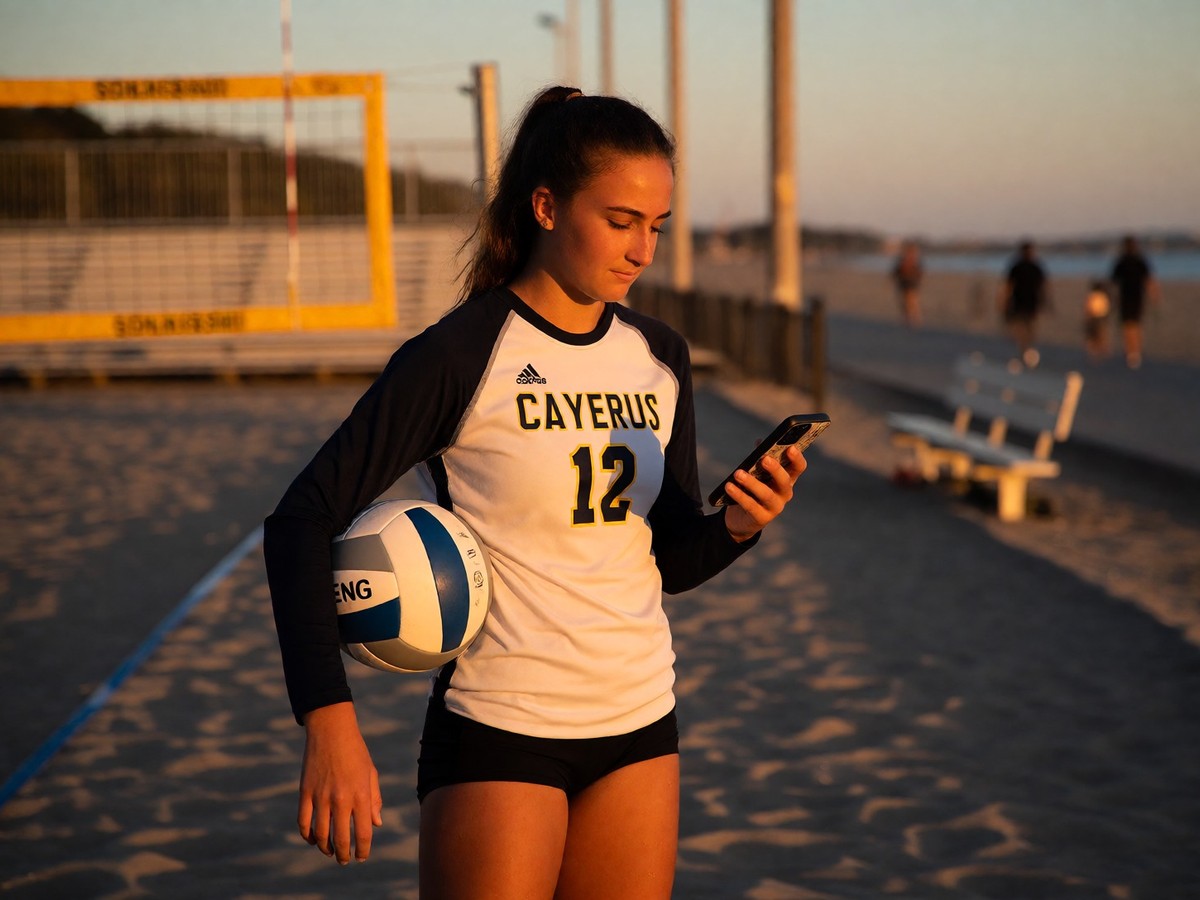
The market for volleyball players
Women’s volleyball ranks fourth in total NIL compensation and third in total NIL activities. I recommend you start building your personal brand immediately because the market favors proactive athletes. Do not expect the national headlines to reflect your reality. Around 500,000 NCAA athletes use their name, image, and likeness for commercial or promotional purposes, yet in the first year of these rules, only 1,000 to 2,000 athletes made over $50,000, which accounted for only 0.2% to 0.4% of all NCAA athletes. While the average compensation per deal reaches $4,262, the median amount sits at just $60. Because the House settlement directs 98% of the $20 million revenue share cap toward football and basketball, you must look toward unassociated entities like local pizza shops or national brands to find consistent income outside of school-directed revenue sharing. This leaves only about $200,000 for all other sports combined. You can earn money through autographs, modeling clothing apparel, promoting products, or making personal appearances.
| Variable | Value/Status |
|---|---|
| Revenue Share Cap | ~$20 million |
| Most Revenue Share | Football and Basketball |
| Median NIL Deal | $60 |
| Average NIL Deal | $4,262 |
Run your brand like a business
You must run your personal brand like a micro-business to see any profit. Brands rarely reach out to the average athlete with lucrative partnership offers, making you the primary driver of your own success. You have to research markets, pitch campaign ideas, and contact marketing managers directly. This work involves discussing campaign goals, negotiating compensation, and tracking campaign analytics. Successful players like Chloe Mitchell built a following on TikTok through DIY projects, while others like Sarah Morbitzer found success running local clinics. I recommend focusing on local businesses or niche interests like the art sales of Danielle Hart. Since your intense schedule leaves little room for a traditional part-time job, most businesses still lack a specific strategy for NIL and only need a small incentive to partner with an athlete. If you do not take this initiative, you will miss the window before the market becomes saturated. Successful athletes like Camryn Taylor expand their portfolios by networking with marketing professionals and making connections with brands. You can use platforms like INFLCR to share content to social media channels and access business management tools. Can you manage this workload alongside your training?
Protect your eligibility
Protect your eligibility by following strict NCAA rules. The NCAA now allows five seasons of competition over five years, starting from enrollment or the academic year following your 19th birthday. The NCAA also removed most waivers for injuries or redshirt years; it only allows narrow exceptions for religious missions, pregnancy, or active-duty military service. This change seeks to align athletics eligibility with enrollment and graduation patterns. Current athletes with eligibility after the 2025-26 academic year may apply for the age-based model. Use professional help to manage your contract negotiations and brand consistency. Legal experts like Michael R. Hughes or Joshua Frieser provide support for athletes seeking to protect their rights and ensure compliance with evolving state laws. Some agents might take 10% of your money, so you must stay wary of improper contracts. You can secure deals for social media partnerships and appearances, but you cannot receive compensation based on your athletic performance or your agreement to play for a specific school. Furthermore, Virginia laws restrict compensation from alcohol, cannabis, and sports gambling.