Steve Kerr’s Warriors rotation philosophy: myths vs facts
Steve Kerr's rotation strategy prioritizes veteran stability over youth development, a choice that limits players like Jonathan Kuminga to 22.1 minutes.
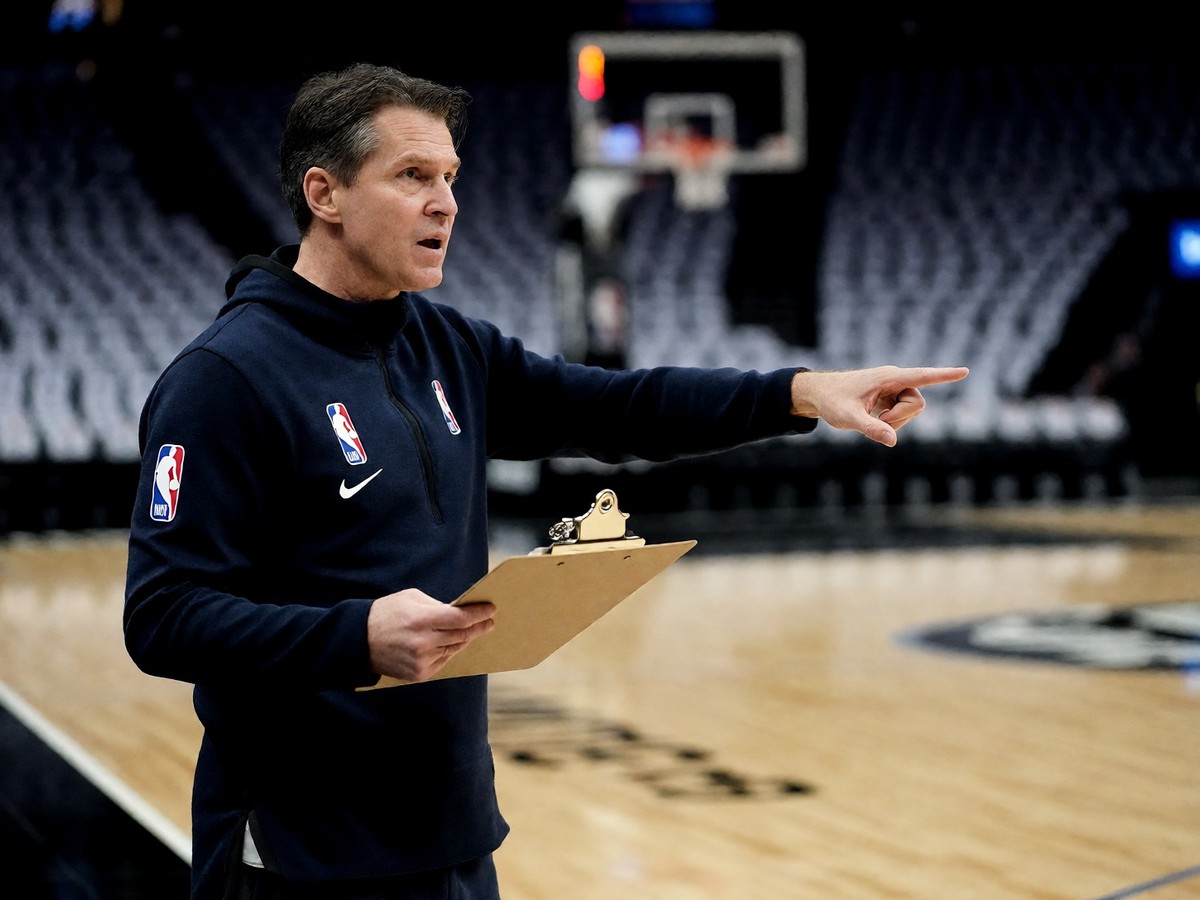
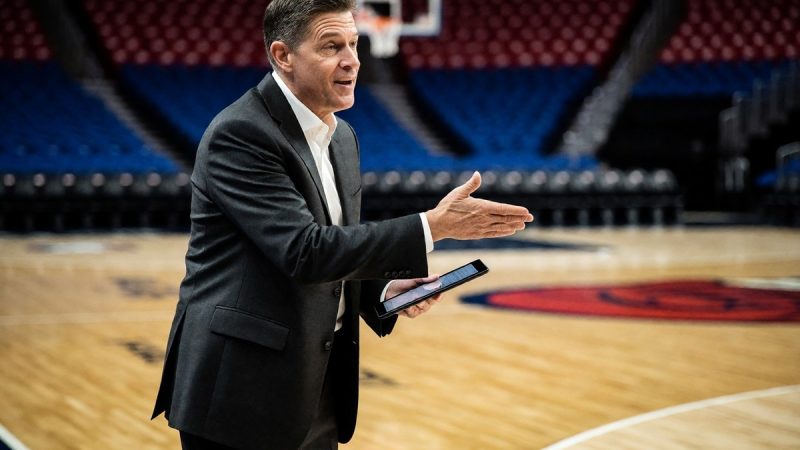
The prevailing narrative claims that Steve Kerr’s rotation strategy is a chaotic mess of favoritism and poor minute management. This view ignores the structural reality of coaching a championship-caliber roster where veteran stability often outweighs raw developmental potential. I find the current criticism to be overly simplistic because it fails to account for the specific constraints Kerr operates under. The data from recent preseason games shows a team balancing immediate wins with long-term growth, a difficult tightrope walk that rarely gets credit.
The Kuminga paradox
Kerr has openly admitted that Golden State was the wrong environment for Jonathan Kuminga. He stated that the "optimal circumstance" for a young player like Kuminga would have been a bad team where he could play 30 or 35 minutes every night. Kuminga averaged just 22.1 minutes per game in Golden State, far below the volume needed for a primary scorer to develop his decision-making skills. This lack of consistent court time prevented him from making the necessary mistakes to learn the league’s nuances.
Kerr explained that inexperienced players need to play big minutes regardless of their performance levels to build confidence and skill. The Warriors selected Kuminga at No. 7 overall in the 2021 NBA Draft to extend Stephen Curry’s prime, but that dream never materialized due to these rotational constraints. Now playing for the Atlanta Hawks, Kuminga averages 14.8 points and 7.5 rebounds in 22.7 minutes per contest. His early success in Atlanta suggests that the change in scenery provided the freedom he lacked in San Francisco.
Rotation mechanics and veteran reliance
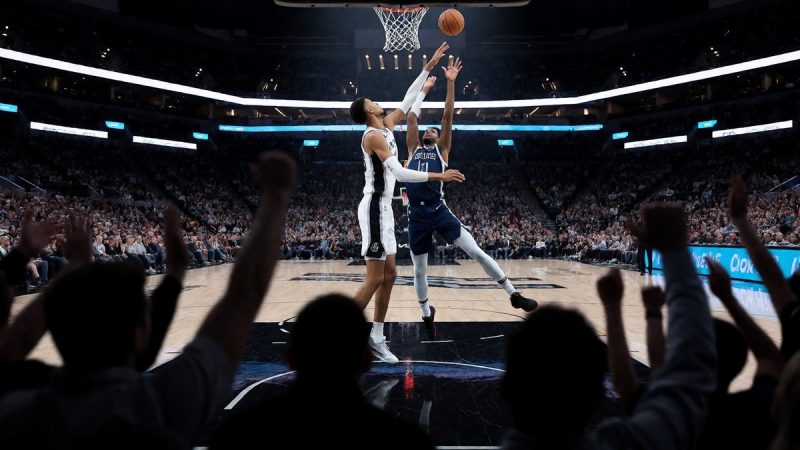
Critics point to disjointed usage rates as evidence of poor planning, citing instances where starters like Will Richard played only 15 minutes while others struggled with confidence. In one recent loss to Orlando, Brandin Podziemski played 27 minutes but shot just 2-of-7, hesitating on reads and picking up his dribble too often. Meanwhile, Buddy Hield logged 15 minutes for two points and a turnover, raising questions about the justification for his floor time when shooting consistency wavers.
Kerr’s approach relies heavily on the principle that "Grownups win championships," a lesson internalized from Phil Jackson during his time with the Bulls. This philosophy prioritizes embedding players in the team culture before handing them greater responsibilities, which explains why veterans like Draymond Green and Jimmy Butler remain central to the lineup despite aging bodies. The Warriors currently sit at 8-3 in the Western Conference, proving that this conservative rotation model still yields competitive results. However, the bench production remains flat, with Anthony Black outscoring the entire Golden State second unit in a recent game.
| Player | Preseason MPG | Preseason PPG |
|---|---|---|
| Yaxel Lendeborg | 23.0 | 15.6 |
| Brandin Podziemski | 23.2 | 14.2 |
| Stephen Curry | 18.0 | 13.0 |
| Brandon Williams | 16.6 | 12.6 |
The core issue is whether limiting young talent to preserve veteran chemistry is a sustainable strategy for a franchise chasing another title. With Curry turning 38 and Butler approaching 37, the window for this approach is closing rapidly. Did Kerr make the right call by sacrificing Kuminga’s development for short-term stability?